About five miles before the end of the Breakaway Ride in Santa Rosa last weekend, I ran into what I described later as “one little hitch.” I never did provide further detail on that. Here, then, is the rest of the story.I haven’t had time to put this together in a proper account. What follows is a rather rushed e-mail I sent my brother describing the ride, very lightly edited.Wow. I finally really got the whole thing of riding in the pocket, letting everyone around you push the wind off the group. I’ve known it in principle for years, but I mostly train alone, so I’d never had a chance to see the difference it makes.
We had a steady headwind in the outbound miles, maybe the first 10-15 miles of the course before we came into our first range of hills. Started out in a good spot behind the first bunch of let’s say 150 riders, all bunched up behind the motorcycle cop in front. When he peeled off, things stretched out a bit, and that front group tugged away; let’s say I was in the second group of several dozen riders. It was early in the ride, with some late starters still advancing from the rear toward the front, a few hot starters from the front already dropping back, but mostly all of us riding forward together with some decent speed.
Wind was coming from off the starboard bow. There was some room to pass on the right, so I edged over and started inching forward past a rider, then another rider, then another rider. Still plenty of room over in that lane to pass. I was happy not to be stuck behind these riders. But boy, was it windy! When I had been in the group, I had plenty of juice to push ahead past these riders, but now that I was out in the wind, I was working my tail off just to keep up. When I was ready to fall back into the group and let them protect me, I couldn’t get between these guys (and women) with a putty knife. They were all too happy to let me ride forward and catch the wind for them, but I had to drop back several lengths before I could get in again.

This is what it looks like when the real pros are in the same situation. Wind in the picture above is coming from the left-hand side of the frame. Nobody wants to ride over there. They all are ducking further and further off to the right, behind other riders, to the point of riding on the shoulder, just so they don’t have to be the one riding right out there in the teeth of the wind. They have miles to go yet in this day, and riding in the front is exhausting. That poor guy riding out by the center line is in the thick of it; he’s carrying everyone else, and by the end of the day he’ll be feeling it. His team captain is probably back in the pack somewhere, saving his energy for the sprint at the end of the stage. Everyone on the team knows his job for the day. (Picture from Tour of the Gila 2010, Stage 2, from the Team Radio Shack page: http://www.livestrong.com/teamradioshack/news_photos-tour-gila-stage-2/ )
I’m sure the difference was at least 10 bpm on my heart-rate monitor. Might have even been 15 bpm. It was the difference between going uphill and going downhill. It was the difference between being in the red zone and riding at a pace I could maintain. In the group, I was pedaling to keep up, but I wasn't pedaling always. I'd pause, then pedal again. (That was the frustration that led me to want to pass. I had the legs to go faster, as long as I was still in the protected windspace.)
And the speed I was going, in that sheltered position, was probably a notch faster than I’d normally do on one of my own training rides, even though I wasn't working so hard. When I look at the time stamp on photos, I raise my eyebrows, because I know how fast I must have been riding. Never could have kept up that pace for so long on a solo ride.
Later on I got dropped out the back of that group for some reason. Lost contact going around a corner? Someone in front of me dropped speed and let the group get away from us? I forget. I wanted to catch them again. And I could just about hear the classic TV cycling commentator Phil Liggett narrating, as he always does, how hard it is to bridge the gap. And once again I felt the difference between riding protected and riding naked to the wind out in no-man’s-land. It was really hard work to get back into the tailwind of that group. But so worth it. Even though we were on the flat, it was like riding to a summit, then (as I finally caught up with the rear of the group) getting a break as the slope starts leaning downhill. Great fun. Incredible.
It was well worth it, particularly to get through what would have been a lousy wind that would have smashed the start of the day and left me wrung out for the rest of the ride. And I took my pulls near the front of the group too, once I had caught my breath from the effort of catching them. Everyone rides in the front some, then eases back and lets someone else take the fore. But I suspect that accelerated speed was what led to my cramping a little bit later. My legs weren’t in the habit of going around so fast for so far. Even though it was relatively light effort, my legs were doing all they could to keep fluid and flowing.
By the time I ran into any cramping, I was past the windy portion, so I didn’t mind letting the group I’d been with pull ahead. After I drank about half an ocean at the next rest stop, I didn’t have any real problem with cramping for the rest of the day. Here and there a twinge from tiredness, but not the same constant griping. I made it over the rest of the hills. Just.
To finish the story: Blew a tire on the final flat into town, about 5 miles from the finish. A tire, not a tube. One minute I’m whipping along easy on my way in. Then I noticed one of those bump-bump-bump rhythms where you ask yourself whether that’s the pavement or the equipment. Just about when I’d decided it might could be something on a wheel, I got a bang like a car backfiring and the front wheel went all silly. Didn’t take three strokes to figure out it was time to stop. This is my Specialized bike, which I’ve been riding for about three years; I replaced the rear tire a few months back, but this is the original front tire.
In retrospect, the bump-bump-bump had been the tire giving way and bulging; the blowout was just that: the much softer inner tube couldn’t hold the air in without the tougher tire to contain it, so it poked through the weak point in the outer tire and popped like bubble gum. But here am I, five miles from the end, with a blowout. The folks who had been trailing me since the last rest stop whizzed by, checking to be sure I was O.K. Well, yeah, I was O.K. Have pump, have spare tube, already within walking distance, dead flat to the end; I’m already in town and could probably find a beer within a few blocks and relax if it came to that.
I bet I wasn’t there five minutes before a guy in a beat-up Toyota pickup pulled up, a SAG wagon. Very friendly. Also had pump, a floor pump. But my tire—not the tube, but the tire—had a big old hole in it, a split about a half-inch long. Any new tube inside that tire would bulge through the split and blow out just like the first one had. Since Mr. SAG was there, I decided to try a Hail Mary; I popped open my patch kit and patched the inside of the tire. It only had to last for five miles. Put in new tube. Inflated. Dopey moi. I should have had him radically underinflate the tube, to maybe 75 or 80 psi, just enough to protect the rim while I limped in mostly flat. But I told him to go ahead to 120, not thinking, and while I held it there in my hand it blew again, just like a car backfiring. My ears rang. The blowout stung my palm.
Fine. I had another tube with me, but I had already proven my point with the hills, and it was the end of the day, and I said fine, let’s just get this sucker done, and I let him drive me in. I didn’t really feel I could call myself a finisher, but I felt no guilt taking an extra burrito from the stash at the bikefest.
It would have been interesting to see what the SRAM support cars that were pacing us on the course all day might have done for me if this had been 50 miles earlier. (I can just imagine some of the fun that blowout might have been on a downhill or an uphill or any of the other ratty pavement I was on that day. This was the most gracious possible point on the ride to get a blowout. I was already done with the course; this was just the fadeout as the needle swings into the inner groove.)
The SRAM cars had tires; they had tubes; they had wheels. Do they swap your rim out if you want them to, and take a credit-card deposit? Do they give tires? Sell tires? In that situation, in the middle of the course, I would have had no qualms about buying a new tire and getting going on the spot. My legs were still good. By five miles from the end, it wasn’t worth much production; fixing the tire would have taken longer than the ride to the finish. (I do kick myself a little: I should have re-patched the tire and put it together again with my other spare tube and had the SAG guy underinflate the tire. But I was oxygen deprived by then and tired, and that solution didn’t occur to me till I was already munching burrito. And even that might not have worked, though it had a better chance.)
And the great news from the whole episode was that as I sat there admiring my new bling (what? you thought I didn't grab a medal when I got to the finish line?), this woman walks by with about 10 Specialized tires over her shoulder, brand-new ones. I’m sure they were from SAG support somehow. Keep in mind that Specialized was a sponsor of the ride, and they had a bike tune-up booth at the start (and I think at the finish). “I’d buy one of those from you right now,” I told her. (I still had to get back to my car, and I still had a pump and one spare tube.) “Where are those going? I’ll buy one from the Specialized booth, if that’s where you’re taking them.” She was a little obscure about where exactly they were from. The SAG crew? A SRAM car? She said that Specialized was expecting to get them back.
I truly don’t know what arrangements they make mid-course; it makes sense to me that they’d charge you something for the tubes or tires or chains they provide. Or maybe the expendables are just a part of doing business for them, rolled into the fee they charge the ride organizers for showing up.
(The SAG teams make all the difference, by the way, even when they’re not pros driving shiny cars with logos. They and the folks who staff the refreshment tables at rest stops are the completely unsung heroes of any ride like this. I always try to thank them profusely as I snarf down my carb recharge on my way back to my bike.)
The woman with the tires over her shoulder wasn’t exactly walking around with a credit-card machine, and I got the impression she had no idea how much to charge for one of these if it came to it, and from how she was wandering around, I was also pretty sure she wasn’t sure exactly where the people were that she was supposed to return them to. After I offered her one more time to buy a tire from her right now, she just peeled one out of the bunch and handed it to me. Specialized Armadillo: Score!
That was even better than the medal I had been gloating over. I sat back down on the bench and quickly decided I was too tired to bother changing out the tube and tire; I was two blocks from my car, and I could walk that far. But that kinda made up for whatever gap I felt for not finishing. I didn’t at all feel bad about the part of the course I had skipped. I had done all the work to get there, muscling up over hill and dale, and all that was left was several blocks of flat suburban roads on the way into town. But if I was going to have a mechanical a stone’s throw from done, getting a free replacement tire out of it sure helped ice the sting.
Every ride is a training ride, and along with some muscle work, this one reminded me that you have to think about all your gear, not just the most common fail points. I check my chain regularly; I had just replaced brake pads; I twang my spokes; I check tube pressure. Here’s a new one to think about before going off on a long expedition on cobbles: How old are my tires?
Anyhow, that’s the rest of the saga.
Oh, and of course, the first thing I thought when I blew was that I had to put the picture on Facebook. Got out the phone, but the battery had had a long day already. It turned on, then immediately (when it saw what I wanted to take a picture of) turned off. So at that point I knew two things for sure: 1) No Facebook pix, which was a daunting loss; 2) I wasn’t going to phone for help, which didn’t bother me, because I knew I could walk in from here. Oh, and 3) No GPS guidance if I did decide to walk it in. Which I would still consider to be officially finishing.
But the SAG truck was a much better alternative.
I had miles to drive before I would be back in Long Beach.
It was a great day.
A postscript, about flats: On May 2, a week later, Mick Rogers in the 5th stage of the Tour of Romandie flatted 4 km from the finish line. He had barely been clinging to the overall lead in the race up to that point. That close to the end, there’s no time to change a tire. He rode in on his flat (but not fast enough to keep the race lead). He’s a pro rider, and if he ruins a rim, there’s another waiting for him before the next stage. Me, if I trash a rim, I get to pay cold hard cash for the new one.
If you want a real story about riding in on a flat, ask Lance Armstrong sometime about Leadville 2009, or better yet, see Race Across the Sky.
But that’s mountain biking. This was a road ride.

 People who have known me long enough will remember The Beard, which I started as my college days came to a close, wore overseas for a year and after I came home, and continued to nurture through a year of grad school and into my first years of gainful adult employment.
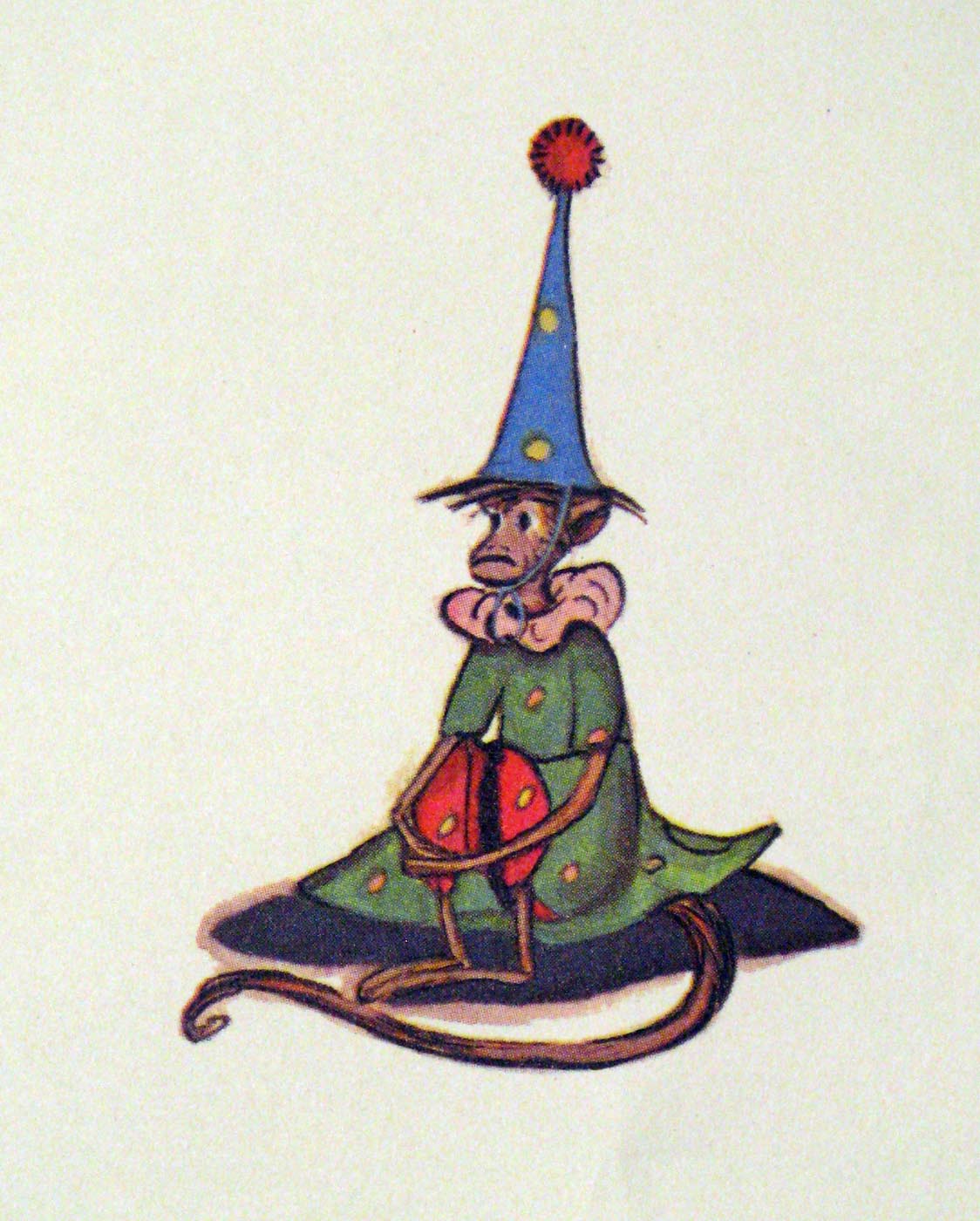
 The Beard inspired artistic depictions back then. Maybe it’s time for another type of inspiration.
 My brother’s nice, well-mannered beard
 In early August, he’s expecting to ride 190 miles in two days to raise money to fight cancer. He has posted a challenge for the month of June: If he can raise $2,000 during June, my brother will shave his beard.
 So here’s the deal: Want to see The Beard come back? One good beard deserves another: If my brother raises $2,000 for his cancer-fighting ride in the month of June, after he shaves his face for the first time in decades, I will not shave my face during the month of July.
 So it’s your call: What’s it worth to see me sprout an embarrassing curly shrub under my chin? $20? What’s it worth to know that as summer starts to warm on up, I’ll be scratchy, hot, and uncomfortable? $50? What’s it worth to know that when I spill soup, I’ll have to shower? $75? What’s it worth to know that every time I ride, the strap on my bike helmet is getting tangled up in long whiskers? $100? What’s it worth to know that all month long, my friends and co-workers will be offering me free razors, asking when I’m going to scrape that nasty growth off my face? $200? What’s it worth to imagine myself explaining this half-grown mess on my chin when I have to dress up for a friend’s wedding on the 17th? What’s it worth?